Tool Used
Approach
I was interested as soon as I saw the camera had WiFi capabilities. I connected and found the camera's IP
(192.168.1.8) through ipaddr, then nmapped it. I found two ports open, 80 and 8222. There was an HTTP site on
port 80, but interestingly, it showed 'Object Not Found' at '/'. So I tried guessing a few common paths like
'/index.html' and there was a 'JL2380 WiFi Control Demo' site with an html form to start streaming. So it seems
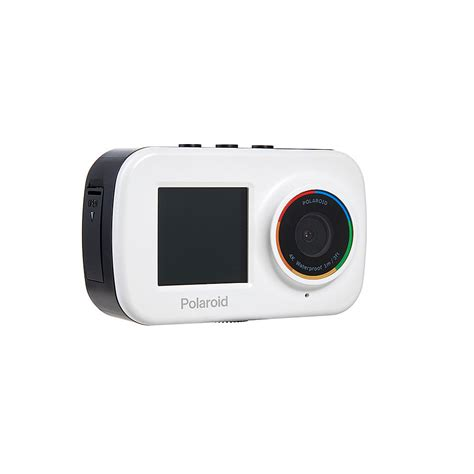
the Polaroid Wave is based on this camera.
The options in the page seem to freeze the server as once the form is submitted, it doesnt respond to any new
requests. Port 8222 is where it streams images to, but streaming needs to be started using a GET request on
SetMode.
It was time to take a look at the Android app to explore other endpoints. I downloaded the APK from APKpure and
extracted it using apktool. Initially, I just grepped through the directory for the IP and fond a few strings.
These were the endpoints I was looking for, which included '/SetMode', '/Setup', '/Storage' and a few commands
passed as query parameters.
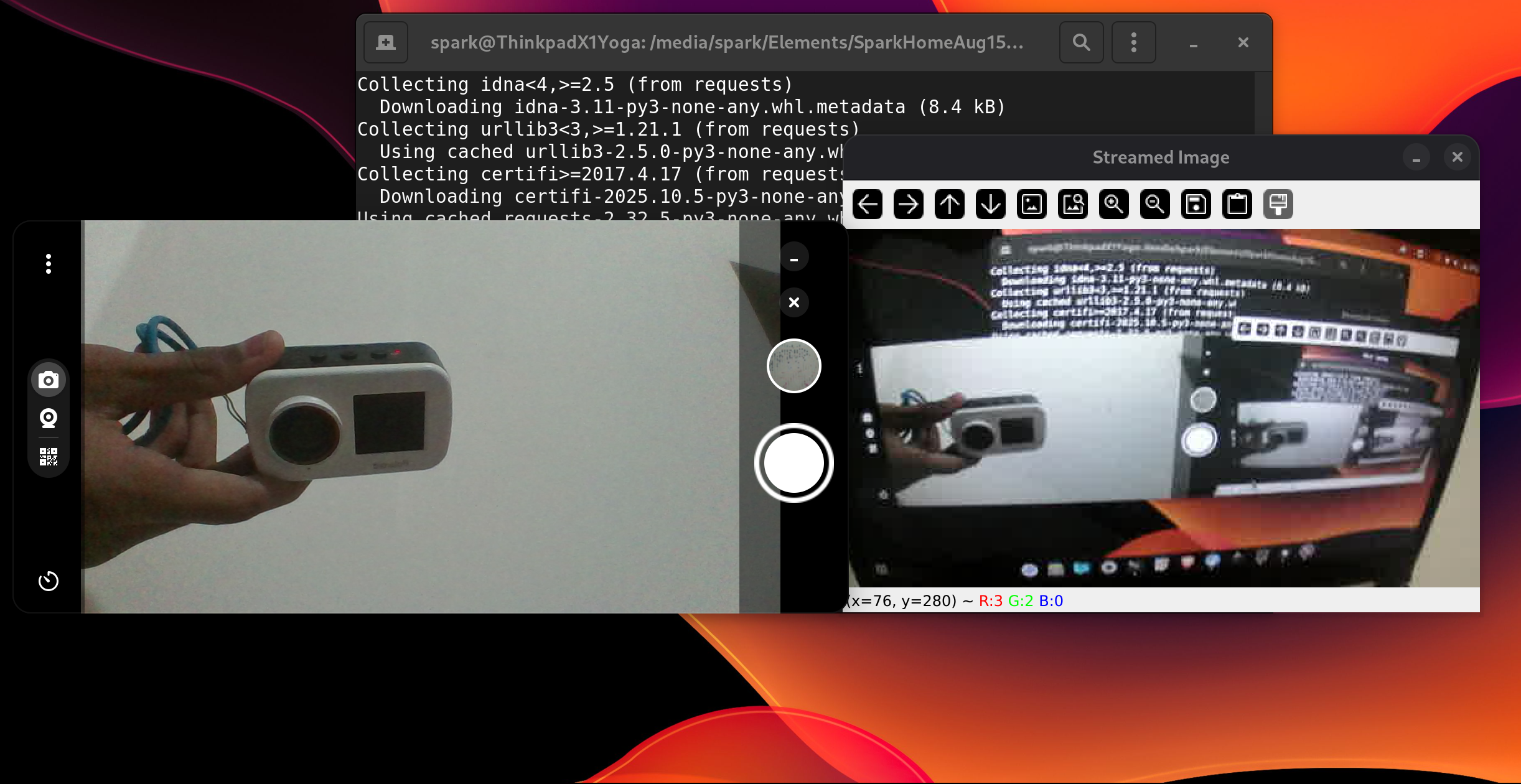
Using this information, I was able to pull files stored on the SD card and get the current recorded image too.
With this, I made a Python script which streamed these images and even implemented zooming, essentially doing
everything the Android companion app could.
Challenges
This device is branded by Polaroid, but its original manufacturer is Jeilin, which doesnt share much firmware,
or
other information on its website. So, tracking down this specific camera was not possible, and I could not
find anything useful to take a look at. Although the FCC-ID was provided most of the licence files were confidential and those that were not, did not reveal any new information.
On the hardware side, the camera build extremely compact and prying
it open was a very difficult task, The PCB traces are also confusing and don't indicate obvious UART ports.
Putting the camera back together was twice as difficult, as the battery had to be carefully oriented.
Next Steps
The Python app is just a simple implementation of the features and by no means an alternative to the Polaroid Wave app. Maybe to work on my frontend skills I would like to write a React based app with a polished UI/UX. The mystery of what actually runs on the device is still unsolved, as access to firmware seems impossible right now. Maybe with some help in microsoldering, I would like to try a chip-off firmware extraction. Also, a better look at the memory dump might reveal some more information.